The Skaftafell ice cave is a natural meltwater cave that re-forms every winter inside an outlet glacier of Vatnajökull, and you can only enter it with a certified guide. Tours run from October 1 to April 30, pair the cave with a crampon glacier hike, and depart from the Skaftafell visitor centre in southeast Iceland. The whole outing takes about four hours and costs roughly 155–182 USD before gear rental and parking. That's the short version.
The longer version — when within the season to go, what the tour actually feels like, what to pack, whether your nervous kid or your claustrophobic partner can handle it, and how Skaftafell stacks up against the Crystal and Katla caves — is what this guide covers. If you're still sketching the wider trip, start with our Skaftafell National Park guide and the full list of tours running from Skaftafell.
What Is the Skaftafell Ice Cave? (And Why It Changes Every Year)
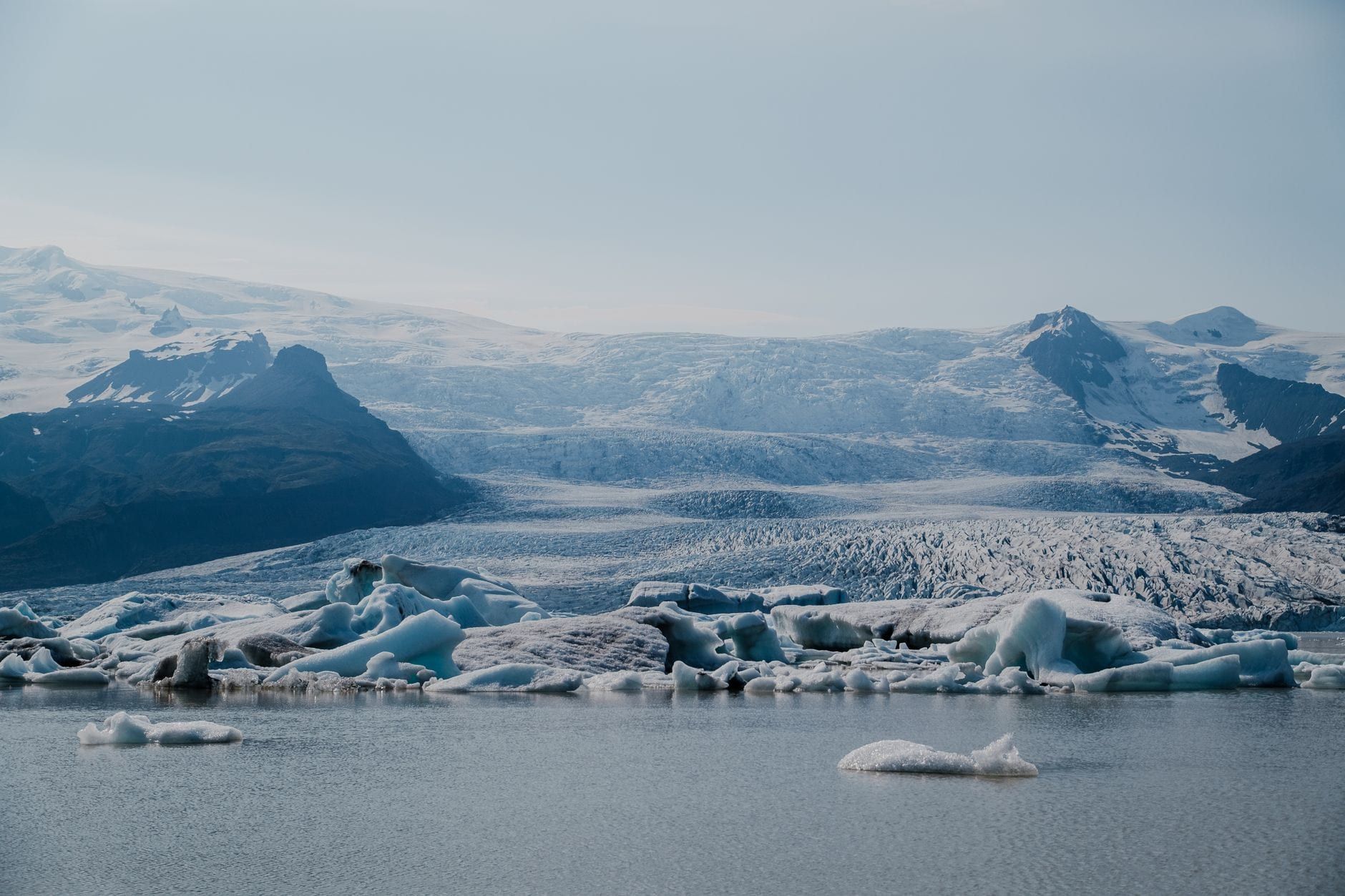
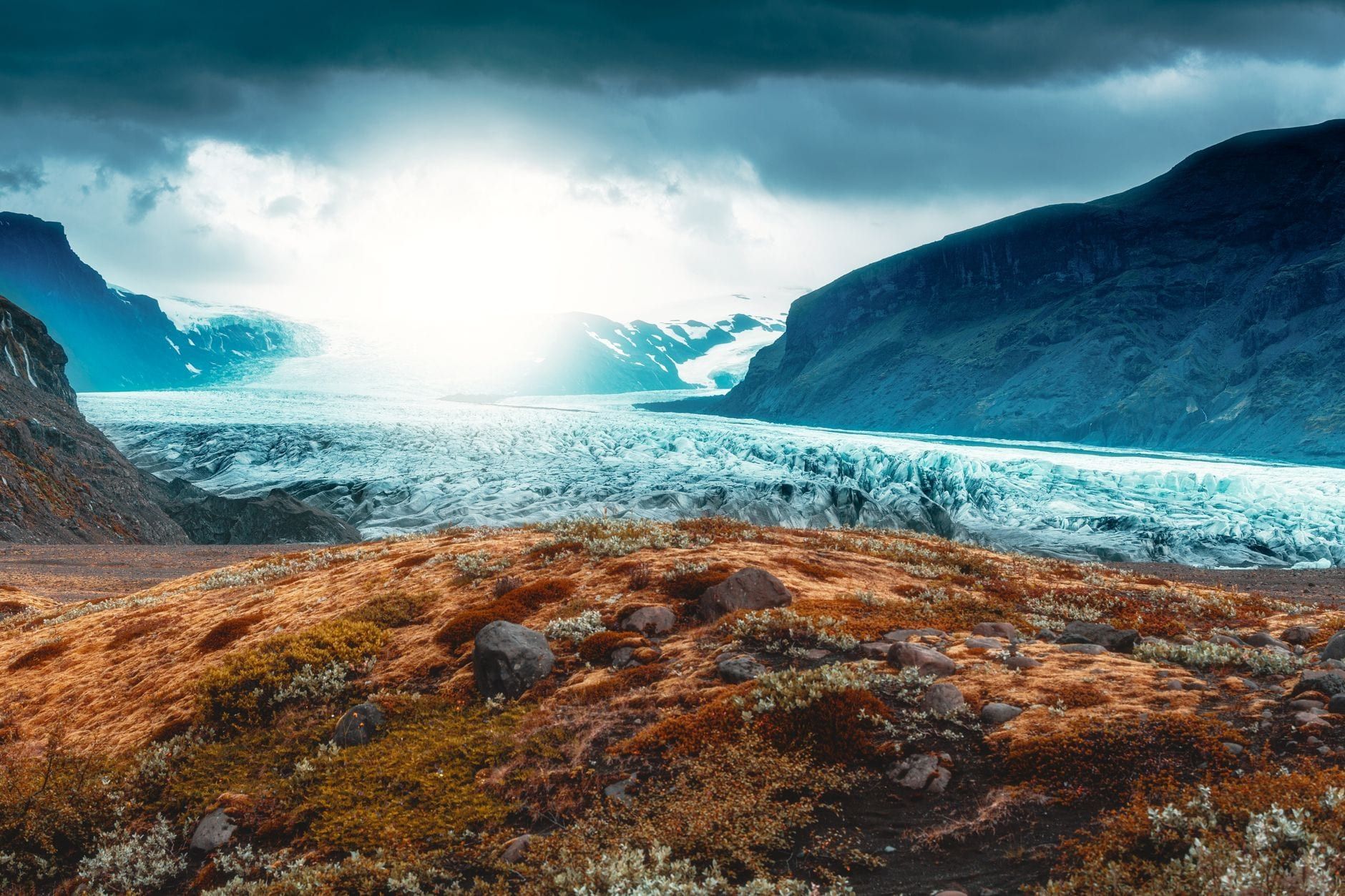
There is no single permanent cave. Each summer, meltwater from Vatnajökull — Europe's largest ice cap, covering about 8,100 km², roughly 8% of Iceland, with an average thickness of 400–500 m and around 30 outlet glaciers — finds its way beneath the ice and carves tunnels and chambers into the glacier tongue. Each winter that water drains away or refreezes, and the tunnels stabilize enough to walk into. By late spring most of them collapse or flood, and the cycle starts again.
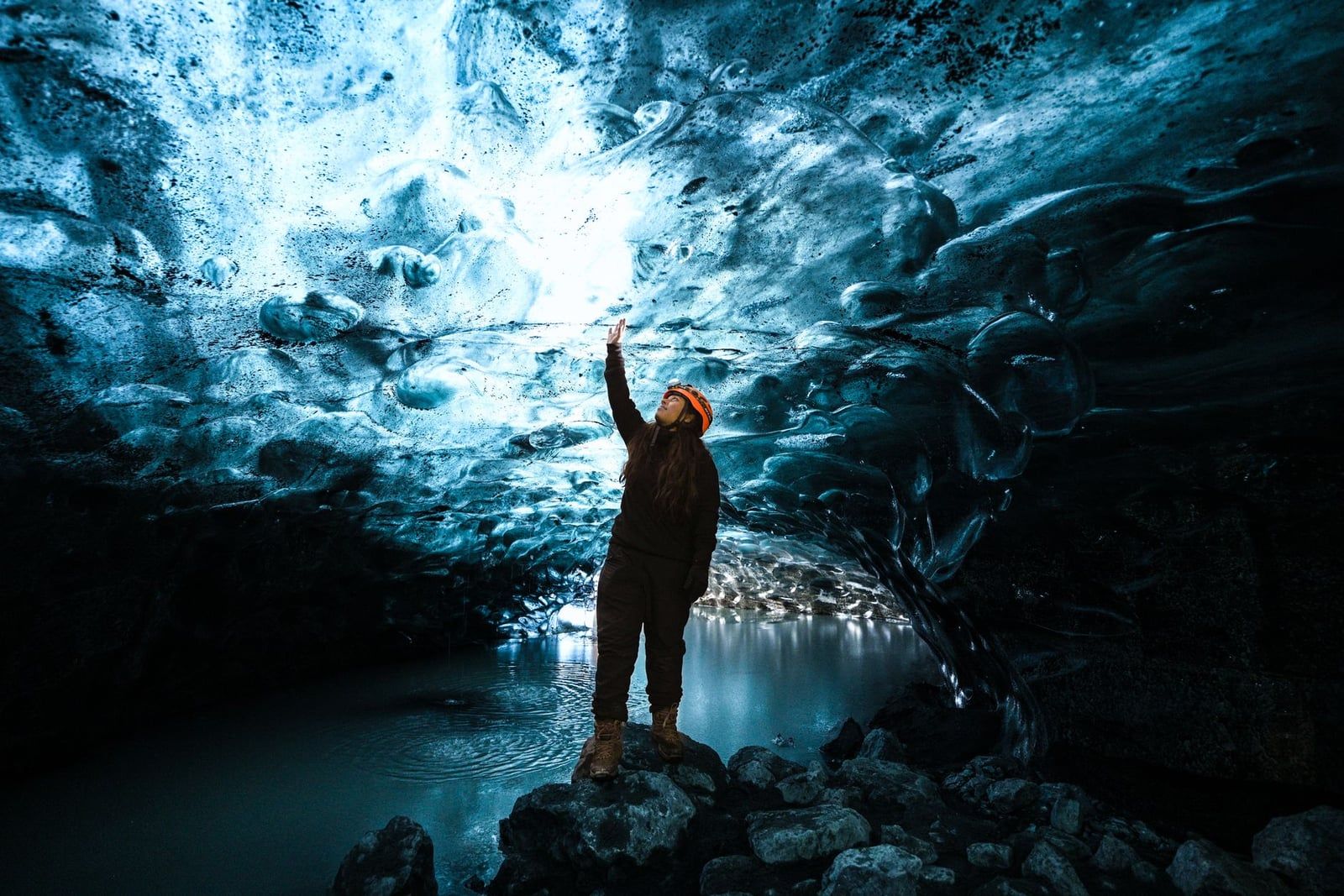
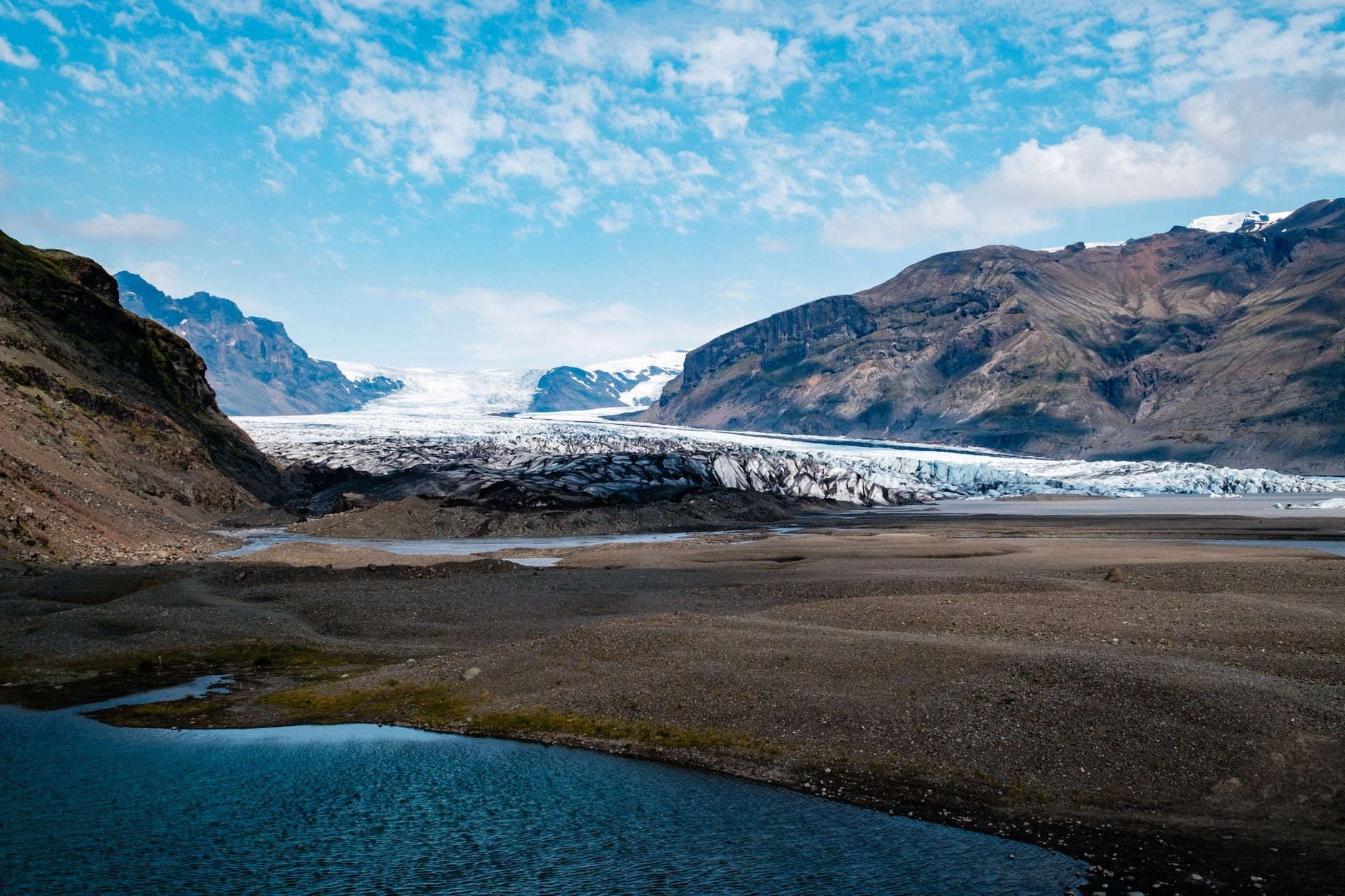
Tours from Skaftafell work the outlet glaciers at the southern edge of the ice cap in the Öræfi region, mainly Falljökull — Skaftafellsjökull itself has retreated so far that it now ends in a lake, and operators no longer take clients onto it. The ice you'll walk through is old. Centuries of compression have squeezed out the air bubbles, and that dense, clear ice absorbs the red end of the light spectrum and sends the blue back to your eyes. The thicker the ice, the deeper the colour.
Look closely and you'll see dark stripes running through the walls. Those are ash layers from volcanic eruptions, including the 1362 Öræfajökull eruption that wiped out the local community and gave the district its name — Öræfi, "the wasteland". It's a useful reminder that this ice sits on top of an active volcanic system, and part of why unguided access is off the table.
One expectation to set before you book: guides scout the glaciers daily and choose whichever cave is safest and most impressive that day. Your cave will not look like the photos on a booking page, because those were taken in a different winter in a different cave. That's not a scam — it's how a natural, annually rebuilt cave works.
Skaftafell Ice Cave vs Crystal, Katla & Other Iceland Ice Caves
Skaftafell is the only one of Iceland's major cave options that comes with a genuine glacier hike — you earn the cave on foot, in crampons. The Crystal Ice Cave near Jökulsárlón is the postcard cave, reached by Super Jeep. Katla, near Vík, runs year-round in black ash-banded ice. And the man-made tunnels at Langjökull and Perlan's museum cave in Reykjavík suit travellers who aren't here in winter at all.
| Cave | Season | Getting there | Character | Best for |
|---|---|---|---|---|
| Skaftafell | Oct–Apr | From the visitor centre; glacier hike to the cave | Open, roofless canyon cave; real glacier hike included | Hikers, first-timers, claustrophobic visitors |
| Crystal (Jökulsárlón) | Oct–Apr | Super Jeep plus a short hike | Iceland's most famous, most photogenic blue cave | Photographers |
| Katla (Vík) | Year-round | Super Jeep from Vík | Black ash-banded ice under Mýrdalsjökull | Summer travellers |
| Langjökull tunnel / Perlan | Year-round | Coach to the tunnel; museum in Reykjavík | Dug tunnels, no glacier hike | Anyone outside the winter season |
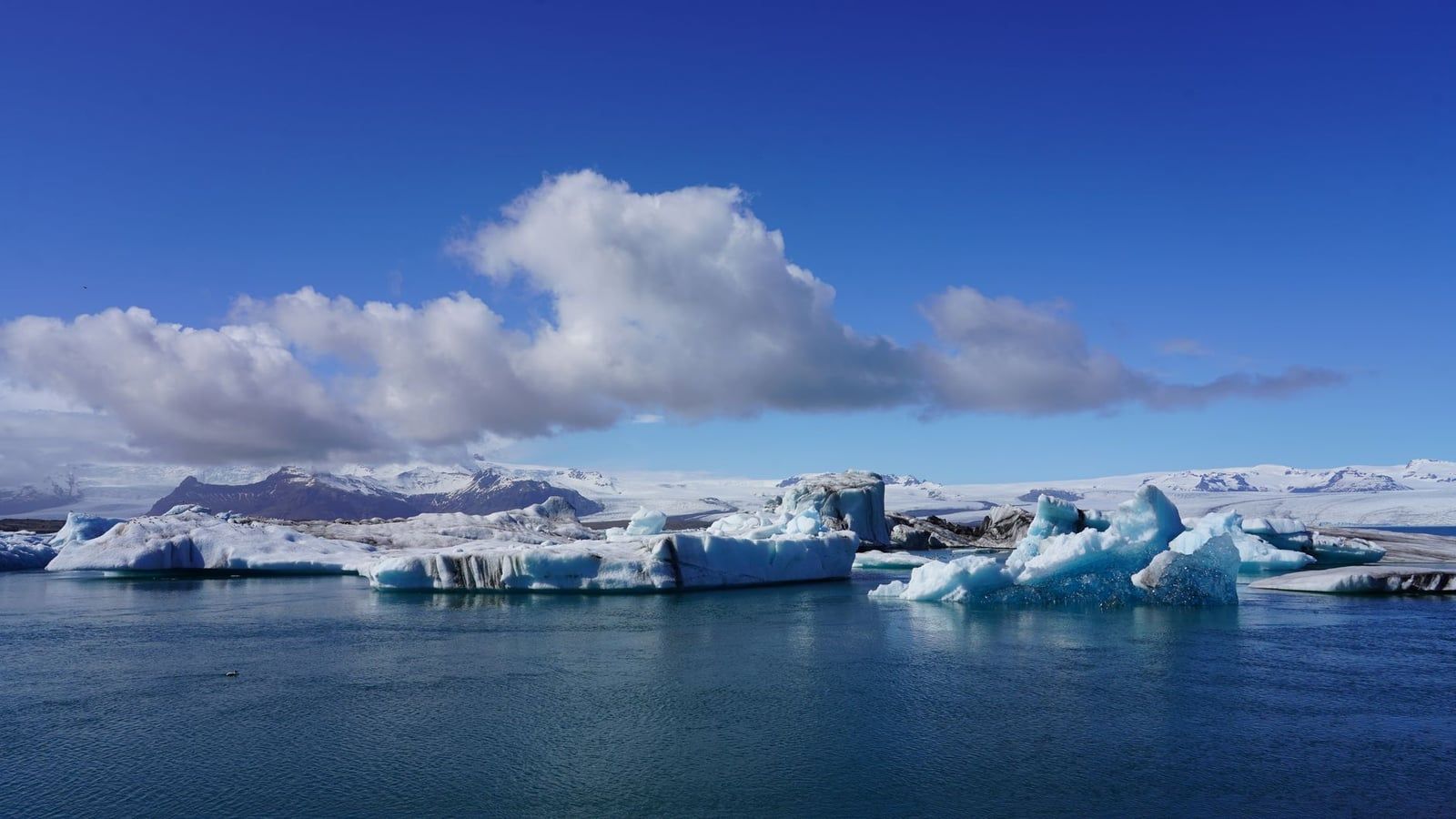
Access is the other big difference. At Skaftafell you walk or take a short shuttle from the visitor centre and then hike onto the ice. Crystal requires a Super Jeep ride across the sandur from Jökulsárlón. Katla tours meet in Vík, about 2.5 hours east of Reykjavík, which makes it the pick if you never get further east than the south coast's western half.
The itinerary math matters more than most people expect. Skaftafell sits 57 km — under an hour's drive — from Jökulsárlón, so the two caves pair easily. Photographers who want the Crystal dome often base themselves near the lagoon or Höfn and do Skaftafell's hike-and-cave combo on the other morning. If you only have time for one and you want to stand on a glacier as well as under the ice, Skaftafell is the one to book.
Skaftafell Ice Cave Season: When to Go
The tour window runs October 1 to April 30, with schedules agreed with the Vatnajökull National Park authorities and always dependent on the ice. Some operators don't start until November, and October is the least dependable month — the caves are new, and the first hard freezes haven't always arrived. Exact openings change every autumn because the caves themselves change.
Within the window, November through March is the sweet spot. February keeps the ice frozen through more days than any other month — a claim built on 31 years of weather records across three glacial rivers — with January a close second and the fewest visitors of the season. April is milder and quieter on the roads, but the ice softens, and late-season caves show wear. If you can pick any month, pick February; if you hate crowds more than you prize perfect ice, pick January.
Daylight is the other constraint at this latitude. Around the December solstice Skaftafell gets roughly four hours of it (about 11:00 to 15:15), rising to around six hours by late November and late January, and nine hours by February 21. This is why departures cluster at midday — the 9:00, 10:00, 13:30 and 14:00 slots all run in daylight all season. Book the earlier departure in deep winter if you also want afternoon light for photos.
Weather cancellations are a fact of winter travel here, not an anomaly. When conditions are unsafe, operators cancel and offer an alternative day, a different activity, or a full refund — so put the cave tour early in your trip and keep a buffer day after it. A tour cancelled on your last morning in the region is a tour you don't get to redo.
The Skaftafell Ice Cave & Glacier Hike Tour: Price, Inclusions & What It's Like
The flagship tour is a four-hour glacier hike with an ice cave stop built in, and the details below — cost, timings, gear and the flow of the day — are what you'll be comparing when you book.
What's included and what it costs
The combo runs about four hours (3.5 on some departures), with roughly 1–1.5 hours actually on the ice, in small groups led by a certified glacier guide. Helmet, crampons, ice axe and harness are included. The tour lists at 182 USD, discounted to around 155 USD at many operators — then add $12 per rented item (hiking boots, waterproof jacket, waterproof pants) if you need them, plus the ISK 1,110 (about $8) visitor-centre parking fee. A solo traveller renting boots and driving in should budget roughly $185–205 all-in.
To compare operators, departure times and current prices in one place, see our ice cave tour listings; for the summer version of the same outing, there's a separate guide to the Skaftafell glacier hike.
Logistics and departures
Tours leave twice daily, in two blocks: around 9:00–10:00 and 13:30–14:00. Most meet at the Skaftafell visitor centre area, though some winter departures meet at nearby Hof instead — check your booking confirmation, because the two are about 15 minutes apart by car. Arrive 20–30 minutes early for gear fitting; the guide needs everyone kitted out before the group moves.
The tour, step by step
Check-in and fitting come first: boots, helmet, harness, and a quick run through how to walk in crampons. Then a buggy or bus carries the group to the glacier's edge, saving a long walk over moraine. On the ice, the pace is steady rather than strenuous — you'll climb past blue walls streaked with ash, past crevasses and moulins the guide will point out and, on most departures, keep well away from.
The cave stop lasts long enough for photos and for the guide to explain what you're standing inside, then the route descends with views out over the black sand toward the coast. On a clear day the return leg, with the ice underfoot and the ocean in the distance, is half the reason to pick this tour over a drive-up cave.
Who can book
Minimum age is 8 on some Skaftafell departures (with a guide-to-guest ratio up to 1:12 and a minimum shoe size of 35 EU), and 10 on others — check before booking for a family. The tours are rated easy to moderate. "Occasionally sporty" is genuinely enough: if you can walk on uneven ground for a few hours, you can do this, and no mountaineering experience is expected or needed.
What to Wear & Bring on a Skaftafell Ice Cave Tour
The operator supplies the technical kit: crampons, helmet, ice axe and harness (a headlamp on some departures). Everything else is on you. That means a thermal base layer, a fleece or wool mid-layer, and a windproof, waterproof shell over waterproof pants, plus gloves, a beanie, water, snacks and a camera. It's a few degrees colder and noticeably windier on the glacier than in the car park — dress for the ice, not the drive.
Footwear is the dealbreaker. Crampons clamp over sturdy, high, waterproof hiking boots with stiff soles, and nothing else works — one traveller who arrived in sneakers simply couldn't do the tour in them. If you don't own a proper pair, rent them on site for $12; it's the single most common pre-booking question and the answer is yes, rental solves it. Jeans are not permitted on the ice.
Two field-tested tips from past guests: wear a shorter jacket rather than a knee-length parka, because the harness has to fit over your outer layer — one reviewer called her long parka "a nightmare" — and bring sunglasses, since the glare off the ice on a bright day is real.
Safety, Fitness & Claustrophobia: Who Can Do This?
You cannot visit these caves alone, full stop. Hidden crevasses, unstable ice and the flood hazard of a volcano-capped ice cap make unguided entry dangerous and prohibited — seven central volcanoes sit beneath Vatnajökull, and a subglacial eruption can trigger a jökulhlaup, a glacial flood. In 1996 the Gjálp eruption sent one across Skeiðarársandur that peaked near 50,000 m³/s and tore apart an 880 m bridge on the Ring Road. Park authorities and operators run strict daily safety inspections, and guides scout the caves before every departure to pick the safest option.
The real fitness bar is lower than the gear list suggests. If you're comfortable walking on uneven, occasionally slippery ground for a few hours, you're fit enough — crampons do most of the work on the ice itself, and guides set a pace the whole group can hold.
Claustrophobic? Tell your guide at the start, and know that you can step out of the cave at any time — guides accommodate this routinely. Better still, the cave shape currently toured at Skaftafell is open and canyon-like, with no roof at all, and is described as the best ice cave in Iceland for nervous visitors. One first-time guest with a fear of heights reported no trouble on the glacier at all; the cave was the only moment that stirred her claustrophobia, and stepping out solved it.
For children, operator minimums at Skaftafell run 8 to 10 years old, while Iceland-wide guidance for ice cave tours generally allows children from 6. If you're travelling with a seven-year-old, an operator-by-operator check before booking will settle it.
Getting to Skaftafell, Parking & Where to Stay
Skaftafell sits right on the Ring Road in southeast Iceland, 327 km from Reykjavík — reachable, but far enough that the drive, the parking and where you sleep the night before all shape the day.
Driving
It's about four to four and a half hours from Reykjavík in good conditions. Vík is roughly 140 km west, around two hours in summer, and Jökulsárlón is 57 km east, 45 minutes to an hour. Add 30–40 minutes to any of these in winter conditions, and check road forecasts the morning you drive; the Ring Road can close in storms. Our transport options and routes guide covers the detail.
Without a car
Strætó route 51 links Reykjavík with Höfn via Vík and Skaftafell, at ISK 13,200 one-way for adults and about seven hours in the seat. The timetable is seasonal and reduced, so check straeto.is before committing to a car-free plan. For most travellers, a rental car or a south-coast tour with a Skaftafell stop is the realistic choice.
Parking and the meeting point
Tours depart from the visitor centre area (Hof for some winter departures). Parking costs ISK 1,110 for a passenger car of five seats or fewer, paid via the Parka app, the machines or online after your plate is photographed, and is valid until midnight. Useful trick: if you also pay at Jökulsárlón the same day, the second area's fee is half price — so keep both visits to one calendar day where you can. Current fees and hours are on our hours and fees page.
Where to stay
Hotel Skaftafell is 5 km from the meeting point, the Hof-area hotels roughly 15–19 km, and the year-round campground next to the visitor centre charges about ISK 2,800 per person per night. Whichever you pick, consider two nights. The second night is your weather buffer — it's the difference between rescheduling a cancelled tour and writing it off.
Pairing it with the south coast
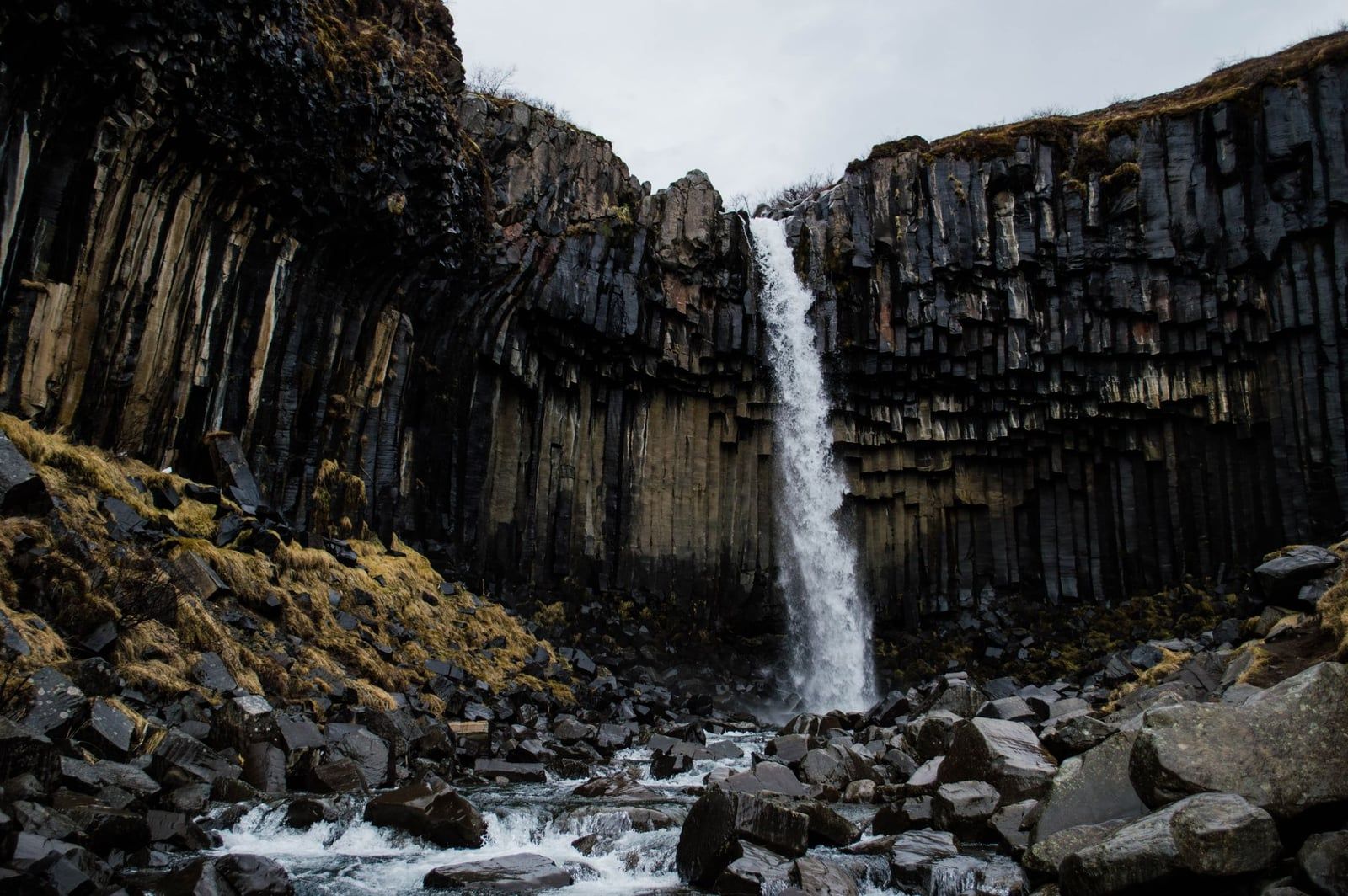
The classic winter day looks like this: morning ice cave tour, then the 5.8 km round-trip walk to Svartifoss, the waterfall framed by dark basalt columns — our Svartifoss guide has the route detail. Save Jökulsárlón glacier lagoon and Diamond Beach for the following morning on your way east, in daylight you'll actually have. For more ideas around the park itself, browse the hike tours running from the same base.
Skaftafell Ice Cave FAQs
Can you visit the Skaftafell ice cave without a guided tour?
No. The caves sit under active glacier ice riddled with hidden crevasses, they shift and collapse, and entering them unguided is both dangerous and prohibited. Certified glacier guides scout the caves daily and bring the rope, crampons and helmet that the terrain requires.
When is Skaftafell ice cave season?
Tours run roughly October 1 to April 30, though some operators start in November and October ice is the least stable. The best window is November through March after consistent freezing, with February the most stable month and January the quietest.
How much does a Skaftafell ice cave tour cost?
The four-hour glacier hike and ice cave combo lists at 182 USD, often discounted to around 155 USD. Budget an extra $12 per rented item (boots, jacket or pants) if you need gear, plus ISK 1,110 for parking at the visitor centre.
Is the Skaftafell ice cave claustrophobic?
The cave currently toured is open and canyon-shaped with no roof, and is described as the best ice cave in Iceland for claustrophobic visitors. Cave shapes vary by season, but you can always tell your guide and step out at any time.
Can children join the Skaftafell ice cave tour?
It depends on the operator: the minimum age is 8 on some Skaftafell departures and 10 on others, with Iceland-wide guidance for ice cave tours generally set at 6. Check the specific tour's terms before booking for a family.
Skaftafell or Crystal Ice Cave — which should I choose?
Choose Skaftafell if you want a real glacier hike with your cave and an open, roofless cave shape. Choose Crystal, near Jökulsárlón an hour's drive east, if the priority is Iceland's most photogenic blue dome — both run October to April, and they pair well as back-to-back mornings.
What happens if weather cancels my Skaftafell ice cave tour?
Operators cancel when conditions are unsafe and offer an alternative day, a different activity, or a full refund. Book the tour early in your trip so a cancellation leaves you a day to reschedule.
Do I need hiking boots for the Skaftafell ice cave tour?
Yes. High, waterproof hiking boots with stiff soles are required for the crampons, which the operator provides. Boots rent on site for about $12 if you don't own a pair — sneakers and low shoes don't work.
Sources
- vatnajokulsthjodgardur.is/en/communities--businesses/pricelist
- vatnajokulsthjodgardur.is/en/areas/skaftafell/destination-skaftafellsjokull
- vatnajokulsthjodgardur.is/en/areas/skaftafell
- straeto.is/media/2024/07/prices-single-fare-south-iceland-1.pdf
- en.wikipedia.org/wiki/Skaftafell
- en.wikipedia.org/wiki/1996_eruption_of_Gj%C3%A1lp